60% of wayfinding errors arise from signs that are readable “in the studio,” but not in reality.
In designing complex spaces, signage is not a graphic detail: it is an invisible infrastructure.
A sign designed on a screen may seem clear, but in a crowded terminal it becomes the weak point that generates queues and disorientation.
Working on reading distance and contrast, tested on site, radically changes the experience;
1) In an airport, it reduces security bottlenecks.
2) In a shopping mall, it simplifies routes and increases customer retention.
3) In a public administration, it makes its services more accessible.
Real readability is the first tool for flow design.
How do you test signage in the studio before making it final?

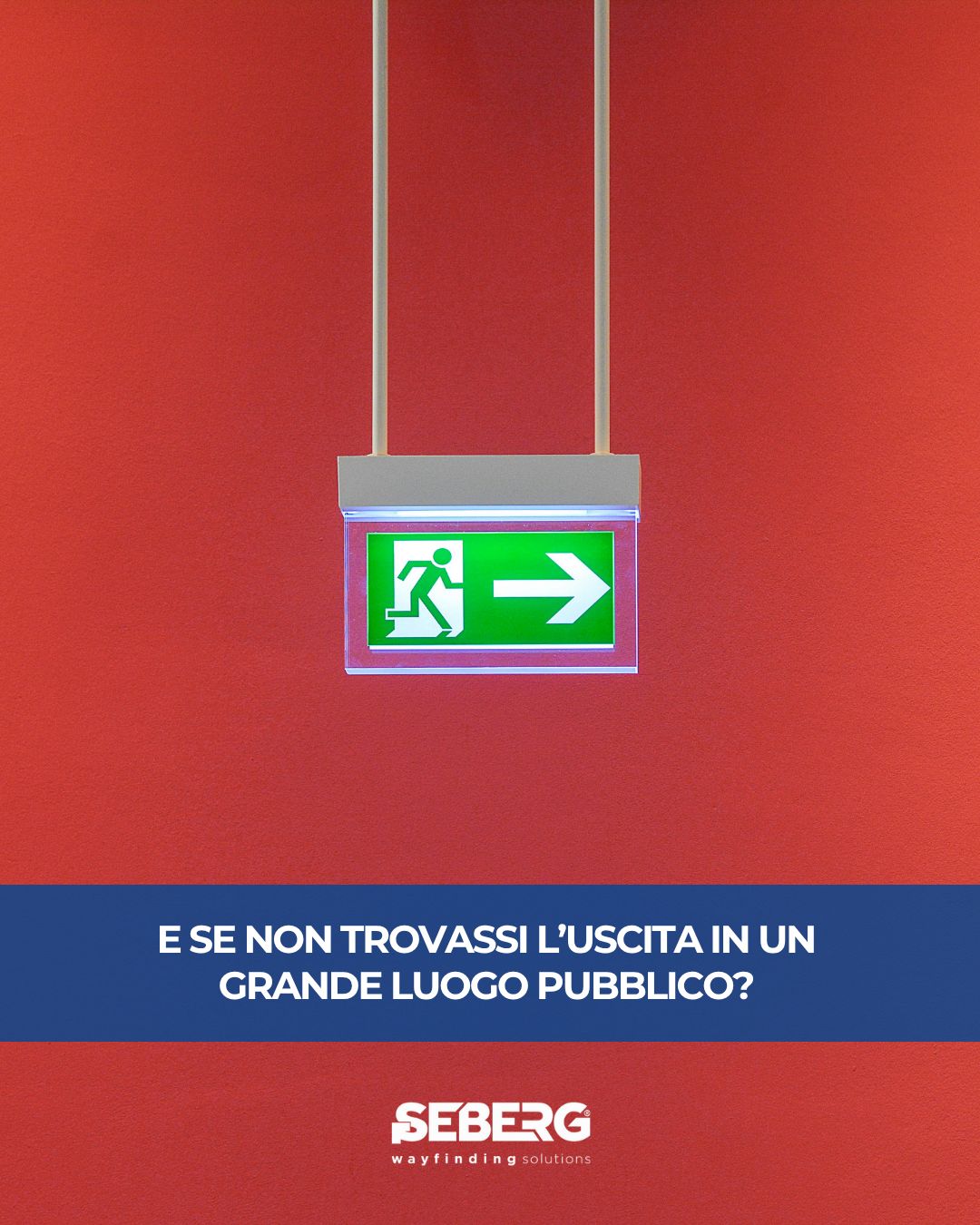


60% of wayfinding errors arise from signs that are readable “in the studio,” but not in reality.
In designing complex spaces, signage is not a graphic detail: it is an invisible infrastructure.
A sign designed on a screen may seem clear, but in a crowded terminal it becomes the weak point that generates queues and disorientation.
Working on reading distance and contrast, tested on site, radically changes the experience;
1) In an airport, it reduces security bottlenecks.
2) In a shopping mall, it simplifies routes and increases customer retention.
3) In a public administration, it makes its services more accessible.
Real readability is the first tool for flow design.
How do you test signage in the studio before making it final?