Case study: University of Brescia

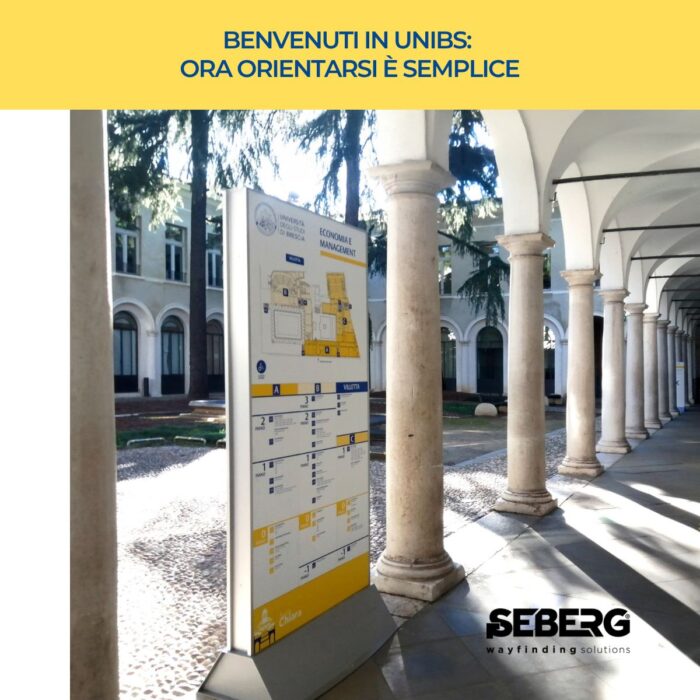
At the University of Brescia we have developed a modern wayfinding system that respects and enhances the unique architectural context of a 15th century cloister.
When working with historic buildings, signage cannot limit itself to indicating: it must interact with the environment, enhance it, simplify use without invading the original aesthetics.
Braille signage for the blind

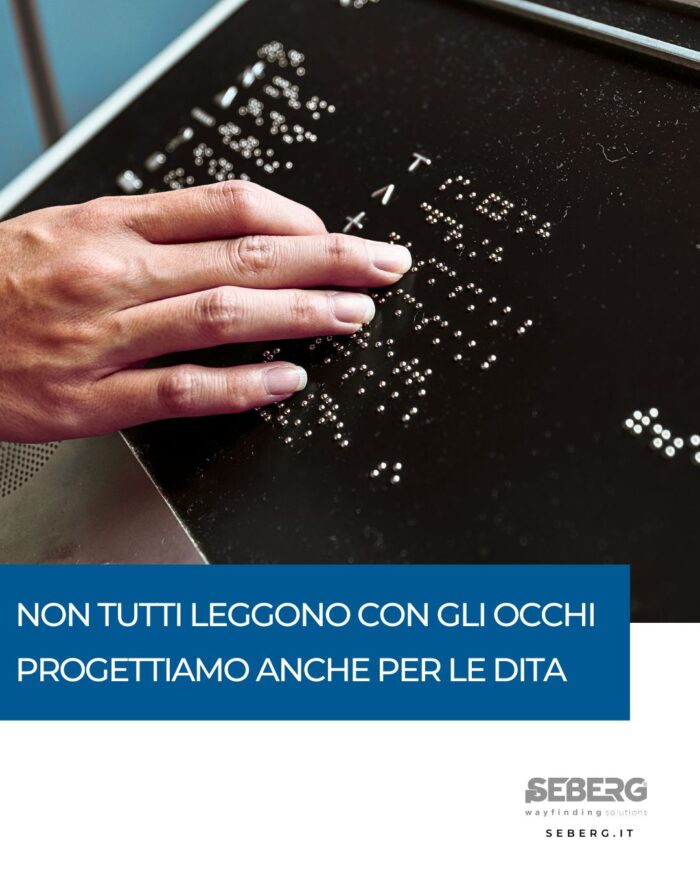
Never underestimate the power of a raised surface.
Today we’re talking about Braille, one of those silent solutions that make a huge difference for those who need to orient themselves independently.
Designing truly accessible signage isn’t just about adding a pictogram or enlarging a font.
It means putting yourself in the shoes of those who read with their fingers.

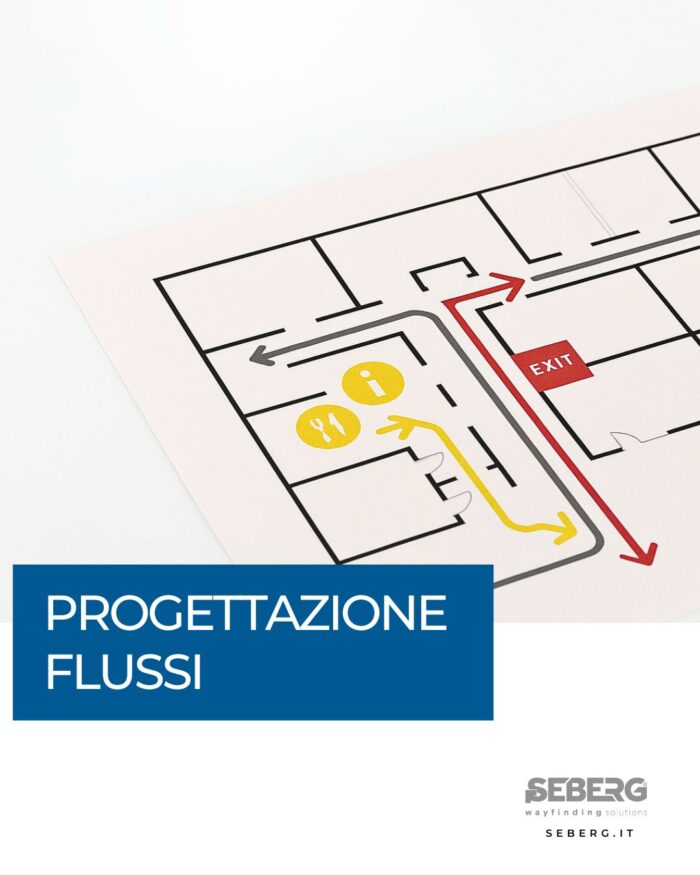
Flow design

Designing flows is (almost) more important than signals.

Yes, because good signage doesn’t start with design… but with the movement of people.

Before even thinking about where to put a license plate, we study how users move, what routes they take, where they slow down, where they hesitate.
That’s where you need guidance. That’s where we come in.